読みもの
What Is Hilot? A Filipino Tradition, Practised in Kagoshima
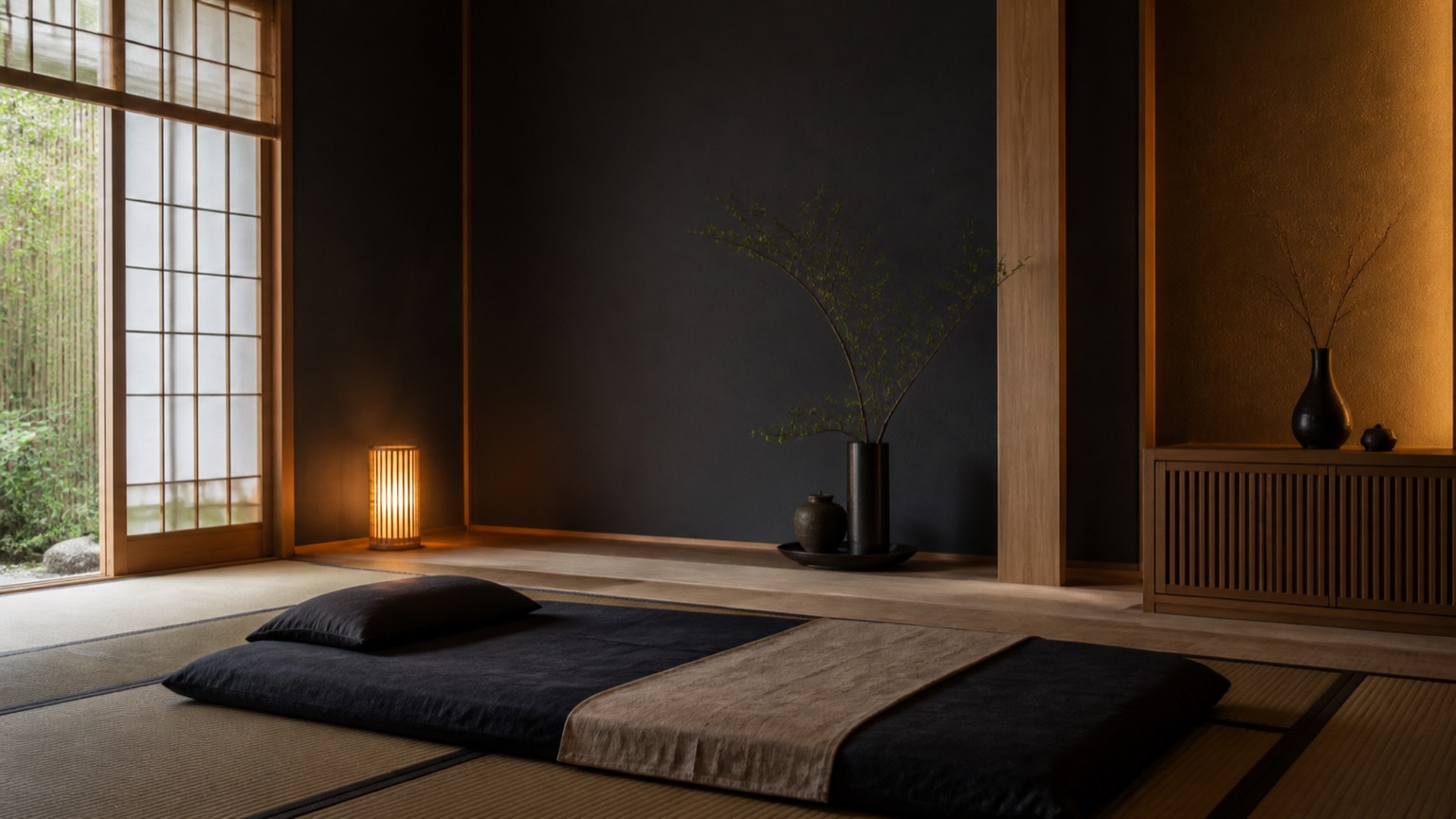
A tradition older than any spa menu
Hilot is not a technique invented for a treatment room. It comes from Filipino homes — a mother working the tired shoulders of her child, a grandmother easing the ache from a farmer's back after a long day. Long before it had a name that travelled abroad, it was simply what families did for each other.
There is no textbook for hilot. It was passed down by hand, watched and felt and repeated, generation after generation, in kitchens and living rooms across the Philippines. What survives today, carried into treatment rooms far from where it began, is that same instinct — reading a tired body and knowing, almost without thinking, where to rest a hand.
In Kagoshima, that instinct now lives in a small room a short walk from Kagoshima-Chuo Station, brought here by a therapist who spent ten years practising hilot in Manila.
What the hands are doing
A hilot session doesn't move in sharp, targeted jabs. The rhythm is closer to a tide — press, release, press again — with the whole hand tracing the shape of the body rather than hunting for a single point. Warmed coconut oil lets the hands move without friction, and a warmed towel is folded in along the way, its temperature settling into the skin before the next pass begins.
You may notice the pace before anything else. It is unhurried, almost deliberate, as though the hands already know where they are headed next. There is little need for conversation — the rhythm itself seems to say enough.
Trained in Manila, practised here
The therapist at yoru+禅 spent ten years working as a hilot therapist in Manila before coming to Kagoshima. That is not a certificate earned in a weekend course — it is a decade of hands learning what tired bodies need, session after session, in a city where hilot is simply part of daily life.
That experience travels with her. The room here is built differently — tatami, hinoki cypress, washi paper on the walls — but the hands doing the work carry the same years of practice they always have.
English and Tagalog are both spoken here, alongside Japanese. If you are travelling — off a cruise ship for the afternoon, in Kagoshima on business, or simply passing through — there is no language gap to navigate before you can explain what a long flight, or a long week, has done to your shoulders.
What the room feels like
Step off the street and the room is quiet. It is a private space, softly lit, with the kind of stillness that asks nothing of you — no small talk, no rush toward the next thing. Many visitors say the pace itself is unfamiliar, in a good way. There is space to simply lie still and let the hands do the work.
The therapist works with what she finds — a stiff shoulder from carrying a bag all day, a lower back tired from standing, the general weight that travel leaves behind. Nothing is promised beyond that hour or so of quiet attention. What tends to happen is that the tightness you walked in with slowly lets go, degree by degree, without ever being told to.
Visiting yoru+禅
yoru+禅 is a short three-minute walk from the east exit of JR Kagoshima-Chuo Station, on the second floor of the Take Station Building (武ステーションビル203). The studio is open 10:00–20:00, every day of the year, by appointment.
Sessions run from thirty minutes to two hours, depending on how much time you have and how much you'd like worked through. A straightforward hilot session — the traditional oil massage on its own — starts at ¥6,980 for sixty minutes, with longer sessions available for a fuller, deeper visit. There is also a combination option pairing hilot with a head spa, for those who would like both in one sitting.
If your schedule in Kagoshima is tight — a few hours between a ship's arrival and departure, or a short stop on a longer trip — it helps to book ahead, since the room takes one guest at a time.
Whatever brought you to Kagoshima, an hour spent somewhere quiet, in hands that have been doing this work for a long time, tends to leave you in a slightly different state than the one you arrived in. We'd be glad to have you.
Note: I have not saved this to seo-loop/articles/ — the write was blocked pending your permission. Let me know if you'd like me to save it as 2026-08-31-what-is-hilot-kagoshima.md alongside the existing Japanese articles.
鹿児島中央駅から徒歩3分。個室で、ひとときの静けさを。
メニューを見る